

Featured, Publishing Voices
Shaping the Future of Indian Publishing: A Conversation with Shantanu Duttagupta

Jul
From market growth and readership trends to international rights and translation, Shantanu Duttagupta offers an insider’s perspective on the forces reshaping India’s publishing landscape.
In an era where the written word transcends physical borders more than ever, the Indian publishing industry stands as a vibrant powerhouse of transformation and cultural exchange. At the helm of this evolution is Shantanu Duttagupta, the Executive Publisher of Fingerprint! Publishing and Prakash Books. With over two decades of experience, Shantanu has mastered the delicate balance between the “art and science” of publishing, overseeing a diverse catalog that ranges from ancient philosophy to modern digital-native narratives.
In this exclusive interview for Pigi Paideias, Shantanu speaks with Evangelia Tziaka about the changing landscape of the Indian market—from the rise of “BookTok” to the democratization of book discovery. Beyond the business of books, he reflects on the deep-rooted cultural ties between India and Greece, expressing a keen interest in fostering new literary dialogues between the two regions.
Insightful, forward-thinking, and deeply rooted in a love for reading, Shantanu Duttagupta offers a masterclass on how stories can travel from local Indian cities to the global stage, proving that at its heart, publishing is the ultimate bridge between cultures.
Q: Can you tell us about your role at Fingerprint! Publishing; What drew you to the publishing industry?
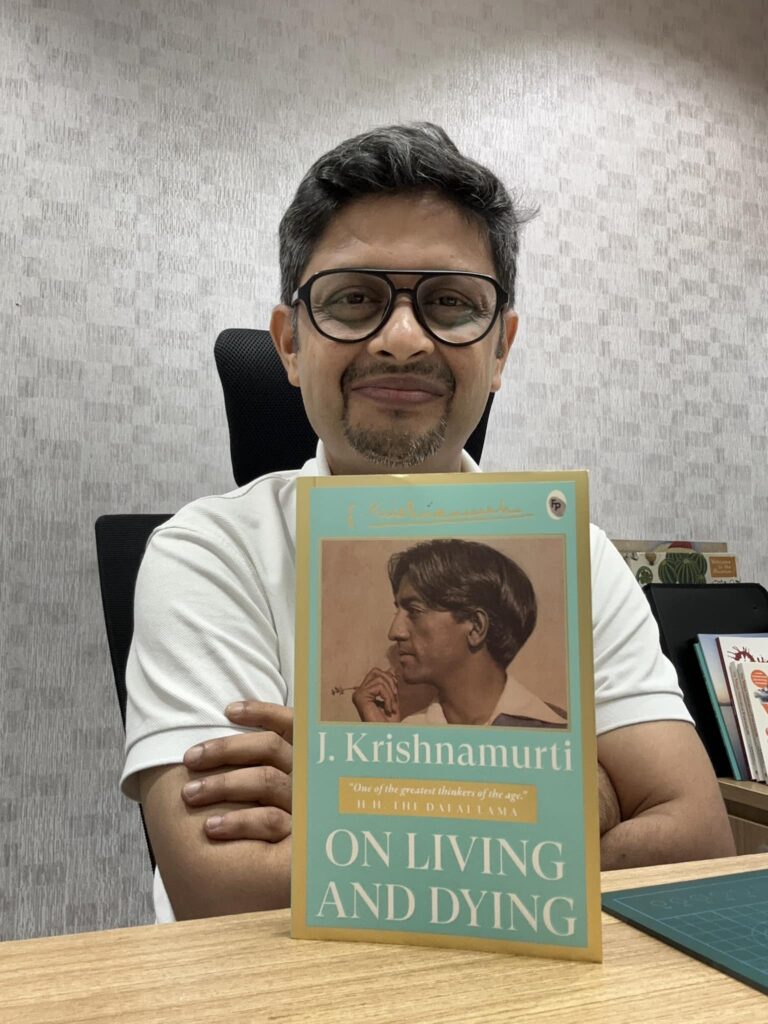
I head the publishing division of Fingerprint! and Prakash Books. I’ve been in the industry for over two decades. I was drawn to publishing because I’m an avid reader, and what better occupation than one that allows you to read, create, and shape the books that others will one day hold in their hands.
Q: What is the editorial vision of Fingerprint!, and how does it fit within the larger ecosystem of Prakash Books?
Every book—and every genre—is unique. As much as we might wish for a formula, one size never fits all. Our vision is simple: to publish books across genres and formats that offer something for every kind of reader, everywhere in the world.
Q: What genres or types of books do you focus on, and how do you decide what to publish?
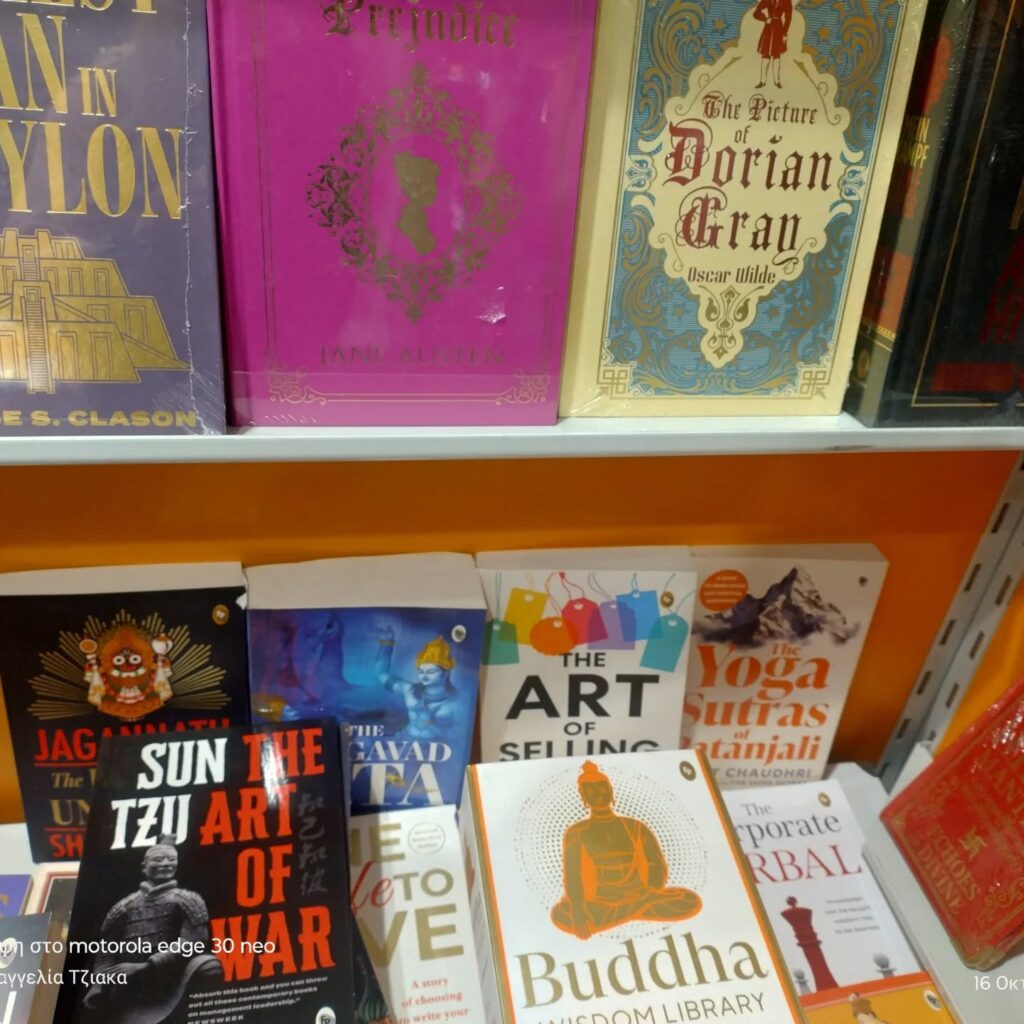
At Prakash, we publish across the spectrum. Fiction, non-fiction, philosophy, religion, gift books, self-help, coffee-table titles, and of course, children’s books. Publishing is both a science and an art. The sweet spot lies where the two intersect.
Q: How do you see the Indian publishing market evolving, especially when it comes to English-language books?
India is undergoing a significant transformation. Once shaped largely by metropolitan tastes and imported literary trends, it’s now driven by a broader, more diverse readership; from aspirational readers in tier-2 and tier-3 cities to digitally native urban audiences. Non-fiction continues to dominate, especially in psychology, business, and contemporary spirituality. Fiction, meanwhile, is exploring fresh terrain; speculative genres, diasporic themes and Indian narratives with global resonance. Discovery has moved online. BookTok, Instagram, and influencer reviews now drive more sales than traditional media features. Design has become critical; covers don’t just sell books, they tell stories.
Q: What are the main challenges Indian publishers face today, particularly in terms of distribution, discoverability, or rights?
Challenges are constant companions in publishing, and that’s the nature of the business. Each challenge presents an opportunity: digital tools are improving reach, social media has democratized discovery, and international rights are now a real source of revenue. The key lies in adaptability, staying nimble without losing the essence of what we do.
Q: How important is the international market for Fingerprint!? Are you actively selling or acquiring translation rights?
The international market is immensely important. Fingerprint! books now reach nearly 50 countries in various capacities. We’re selling, buying, translating, acquiring new authors, and doing co-editions and language editions. Many of our titles have successfully traversed international markets, which is deeply gratifying.
Q: Has Fingerprint! had success in exporting Indian voices abroad? Are there any recent titles you’re particularly proud of?
Absolutely. We’ve published Indian voices that have found homes in North America, continental Europe, South America, and more recently, across the pond in the United Kingdom. Our focus has always been on storytelling that transcends geography.
Q: Are you open to collaborations with publishers or literary agents from regions like Southern Europe or Greece?
Absolutely. We’ve always valued collaboration. India and Greece share centuries of cultural exchange, and there’s no reason that shouldn’t continue today. We’re keen to explore partnerships that promote cross-pollination of ideas, voices, and stories. After all, publishing, at its heart, is about dialogue across borders.
Q: How do you see the future of publishing in India—more digital, more indie, more global?
I think it’s all the above. Indian publishing is becoming more confident and outward-looking. Independent publishers are carving out niches, digital formats are expanding reach, and international collaborations are more frequent than ever. There’s room for every kind of publishing—from mass-market to literary, digital to collectible—and that diversity is our strength.
Q: Finally, what advice would you give to new editors or publishers trying to navigate a market as dynamic as India’s?
There’s no single formula. Read. Widely and deeply. Be curious about both content and context. Learn from data, but trust your gut.
We would like to extend our warmest thanks to Shantanu Duttagupta for sharing his valuable time and profound insights with us. His vision for a more connected and collaborative publishing world is truly inspiring. We are grateful for this opportunity to bridge the literary landscapes of India and Greece, and we look forward to the many stories that are yet to be told across borders. It was an honor to host this discussion on Pigi Paideias.”
This interview was originally conducted for Pigi Paideias Project and is republished on ForeignRights.eu as part of the Publishing Voices series.
