

Featured, Publishing Voices
Building Bridges in Publishing: Insights from Prashant Pathak

Jul
With an international career that spans India, Italy, and beyond, Prashant Pathak brings a unique and deeply informed perspective to the world of publishing. Currently Head of English Publishing Development at Giunti Editore in Florence and Co-founder of Publishers Without Borders, Pathak is at the forefront of global publishing innovation. In this interview, he shares insights from his cross-cultural journey — from building award-winning children’s lists to driving international rights development — while addressing the biggest challenges and opportunities in the industry today. He also speaks candidly about the role of AI, the future of global trade publishing, and the power of international collaboration in shaping the next chapter of our industry.
Could you tell us a bit about your background and your journey in the publishing industry?
My passion for books, learning, and creating meaningful content that reaches and inspires people has shaped my publishing career. The journey began with a strong interest in educational and children’s literature and has focused on building and contributing to this field in meaningful ways. Currently, I serve as Head of English Publishing Development at Giunti Editore in Florence, Italy, where my work involves leading strategic initiatives that bridge Italian publishing with global English-language markets, focusing on co-editions, rights development, and international partnerships. With a cross-continental footprint spanning Italy, the U.S., and India, my efforts aim to expand Giunti’s global visibility and foster new collaborations in the English-language publishing ecosystem. Prior to this, I was Publisher at Wonder House Books, where we focused on creating high-quality, engaging, and accessible content for young readers worldwide. One of my proudest milestones was leading Wonder House Books to receive the Best Children’s Publisher of the Year (BOP) Award at the Bologna Children’s Book Fair in 2023. I am also Co-founder of Publishers Without Borders, an international initiative aimed at fostering collaboration and knowledge exchange among publishing professionals globally. My work spans diverse markets and reflects a deep commitment to building connections across the global publishing community.
Mr. Prashant, you have worked in the book industry for so many years. What major changes or trends have stood out to you during this time?
The publishing industry has undergone significant transformation during my years of experience. One of the most notable changes has been the rise of digital publishing and the coexistence of digital and print formats. Readers today engage with content in multiple formats, from traditional print books to e-books and audiobooks, creating both opportunities and challenges for publishers. Another major trend is the increasing importance of inclusivity, diversity, and representation within content, which is now rightfully a priority for publishers worldwide. The industry has also witnessed rapid technological integration across the value chain, from editorial processes to marketing and distribution. Sustainability and environmentally conscious publishing practices have also become more central to our work.
You have worked both in India and in Italy. Could you share your insights on the unique opportunities and challenges in each market?
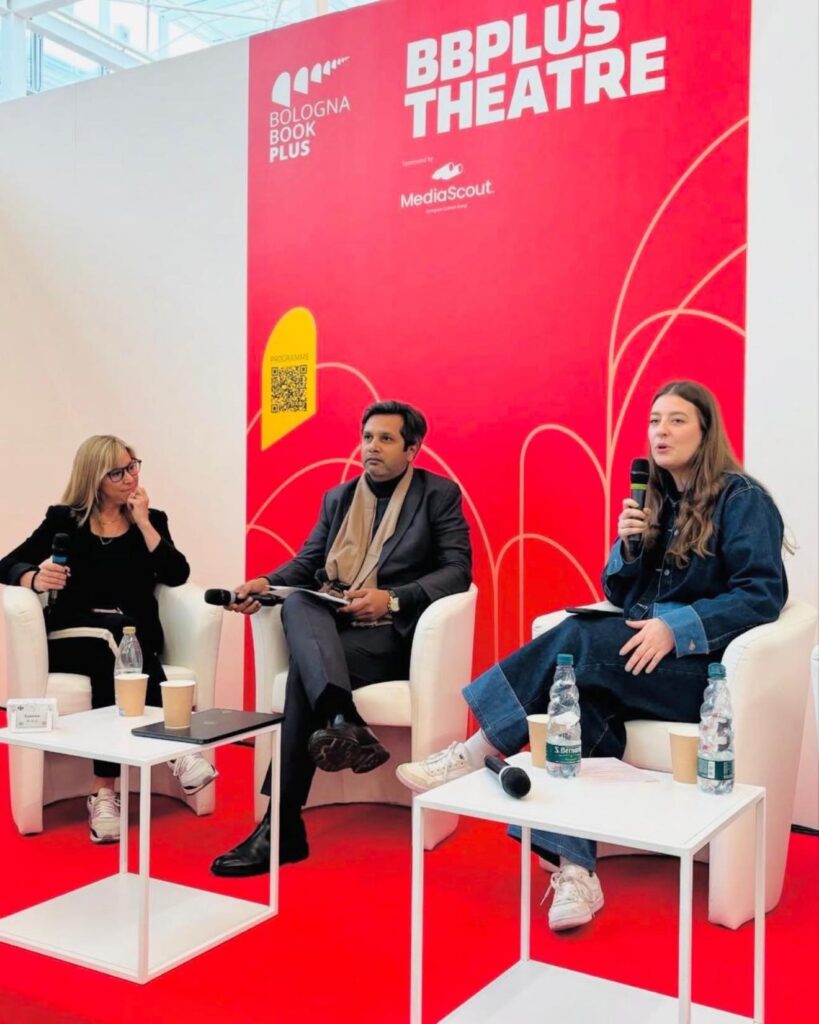
India’s publishing market offers immense scale, diversity, and opportunity. It is a young, vibrant, and growing market with a large and varied readership. However, it is also highly price-sensitive, and issues such as piracy, distribution challenges in rural areas, and
infrastructure gaps present ongoing difficulties. On the other hand, Italy has a rich literary and cultural tradition and a more consolidated retail and distribution ecosystem. The Italian market provides unique opportunities for high-quality, design-rich, and literary works, but there is a need to engage younger readers and rejuvenate certain segments of the market. Both countries present distinct opportunities for innovation and growth, requiring tailored strategies for success.
What key factors contribute to a book’s success with readers?
A book’s success ultimately hinges on authenticity, the strength of its storytelling, and its relevance to the intended audience. For children’s books in particular, alignment with educational frameworks, parental expectations, and developmental needs is crucial. Beyond the content itself, the quality of design, production, marketing, and distribution are critical components that determine how well a book reaches and resonates with readers.
Which global markets do you see as the most promising for trade publishing growth right now? Where do you think publishers should look for new opportunities?
Markets in Southeast Asia, the Middle East, and Africa present significant opportunities for growth in trade publishing. These regions are experiencing rising literacy rates, increasing demand for educational and leisure reading material, and expanding retail infrastructures. Latin America is also showing promising signs, especially for children’s and educational publishing. In more mature markets, niche segments such as bilingual books, graphic novels, and inclusive content are creating new growth avenues for publishers.
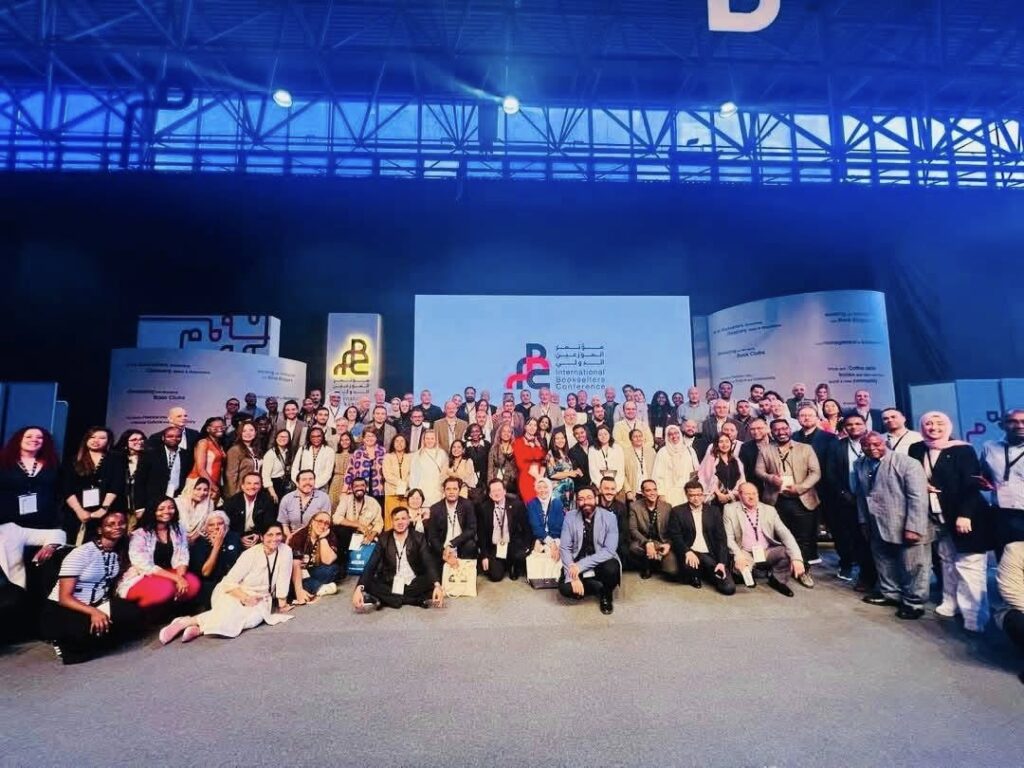
What role do international book fairs and trade shows play in your work? Why are events like these so important for the publishing industry?
International book fairs and trade shows play a vital role in fostering rights sales/Co-editions, partnerships, and industry dialogue.These events provide unique opportunities for publishers to discover new voices, explore market trends, and build long-lasting relationships. They are critical platforms for exchanging ideas and forging collaborations that transcend geographical boundaries. For me personally, these fairs are essential for staying connected with the global publishing community and for keeping abreast of emerging trends and innovations.
How do you prepare for major events like Frankfurt, London, or Bologna?
Preparation for major book fairs starts several months in advance. This includes curating the rights catalogue, setting clear objectives for meetings, identifying and reaching out to potential partners, and aligning internally on priority titles and rights to be promoted. It is important to approach these events with a strategic mindset, ensuring that every interaction contributes towards broader business goals.
What’s your view on how AI is currently impacting the publishing industry? How do you see publishers adapting to technological changes?
AI is having a profound impact on various aspects of publishing, from editorial processes and production to marketing and distribution. Many publishers are cautiously exploring AI applications that can improve efficiency and enhance their offerings, such as automated metadata enrichment, copyediting tools, translation aids, and audience targeting. The key is for the industry to adopt AI in ways that support and complement human creativity, rather than replace it.
Where do you see the biggest opportunities for using AI in editorial or marketing workflows? In what areas can AI add the most value?
AI can add tremendous value in automating repetitive and time-consuming tasks, such as copyediting suggestions, metadata generation, creating preliminary cover mock-ups, analyzing market data, and segmenting audiences for personalized marketing. By freeing up time for more strategic and creative work, AI can help publishing teams focus on what matters most.
Do you believe AI poses a threat to traditional publishing roles — or can it enhance them? How do you think the industry should approach this balance?
I believe that AI, when used responsibly and in regulation, can enhance traditional publishing roles by providing new tools and efficiencies that empower professionals. It is essential for the industry to invest in ethical guidelines, skills development, and thoughtful implementation so that AI augments, rather than undermines, the core creative and intellectual work that defines publishing.
Can you tell us the story behind the creation of Publishers Without Borders? What inspired this initiative?
Publishers Without Borders was created at a time when international collaboration was both more necessary and more challenging than ever before — during the early stages of the pandemic. The initiative was the brainchild of Simon de Jocas, a publisher from Quebec, Canada, driven by the desire to create a platform that facilitates dialogue, knowledge exchange, and support among publishing professionals worldwide. I joined as a co-founder along with Emma House from UK, Fatimah Abbas from Egypt & Mauro Spagnol from UK, and together we have grown the initiative, now active on almost every major social media platform, working on a voluntary basis to help the publishing community. Publishers Without Borders was inspired by the belief that our industry can achieve more when we work together across borders.
In what ways does Publishers Without Borders help publishers connect or collaborate internationally? Could you share some examples of its impact so far?
Publishers Without Borders has created an informal space for publishers to connect, exchange ideas, and discuss the latest issues shaping the industry. It serves as an extension to publishers’ associations and the International Publishers Association, complementing their work by running both informal and formal events at all major book fairs. We operate WhatsApp channels dedicated to key fairs, and we host live sessions featuring industry leaders, veterans, and experts on a wide range of topics. Our network has had a significant impact, fostering a new spirit of community and dialogue. The PWB Collective now has a presence at fairs such as Shanghai, Guadalajara and Warsaw etc., showcasing the power of community in the publishing world. This initiative has brought positive change to how publishers communicate, collaborate, and celebrate diversity. On our Facebook platform alone, we have members from more than 100 countries, with over 65% of them being women. Later this year, we are excited to organize a charity fun run at the Frankfurt Book Fair as part of our ongoing efforts to unite and give back as a global publishing community.
If you had to choose one big bet for the future of global trade publishing, what would it be? What trends do you believe will shape trade publishing in the next five years?
My big bet for the future of global trade publishing is the rise of inclusive, multilingual content that appeals to diverse and international audiences. I believe the next five years will see growing demand for hybrid models that combine print and digital formats, increased integration of technology in publishing processes, greater emphasis on sustainability, and stronger representation of underrepresented voices in global literature.
What is the most exciting opportunity you see ahead? Are there any emerging developments that publishers should pay close attention to?
The most exciting opportunity lies in engaging and serving the next generation of readers through innovative, technology-enhanced formats and cross-cultural storytelling. Publishers should pay close attention to developments in immersive content, such as augmented and virtual reality books, direct-to-consumer sales models, and AI-driven personalization, all of which have the potential to reshape how readers discover and experience books.
